
Questions to Ask Before Booking Wedding Catering
Planning a wedding involves many decisions, and choosing the right caterer is one of the most important. The reception meal brings guests together and contributes to the overall atmosphere of the celebration. From menu selections and dietary accommodations to staffing and pricing, several details deserve attention before a booking is finalized. For couples planning a wedding in Washington, asking the right questions early can help clarify expectations, simplify coordination, and create a dining experience that reflects the occasion.
What Experience Does the Caterer Have With Weddings?
One of the first questions to ask is whether the caterer has experience serving weddings similar to the one being planned. Guest count, venue layout, service style, and event schedule can all influence the work involved. A team familiar with different wedding formats may be better prepared to discuss the practical details and help couples understand what their event requires.
Ask how far in advance reservations should be made and whether the preferred date is available. Popular wedding seasons in Washington, including late spring and summer, can bring increased demand for venues and event services. Reaching out early gives couples more time to compare options, schedule tastings, and coordinate details with other vendors.
It is also worth asking whether the caterer can accommodate the expected guest count. Some celebrations are intimate gatherings, while others involve hundreds of attendees. Understanding a provider's capacity helps couples determine whether the team can support the event without compromising food quality or service.
What Menu Options and Tasting Opportunities Are Available?
The menu should reflect the couple's preferences while offering an enjoyable experience for guests. According to The Knot, 62% of couples identified food and beverages as one of their most important wedding-planning priorities. This makes menu selection an important part of creating a celebration that feels personal and welcoming. A tasting can help couples evaluate flavors, presentation, and combinations before making final selections.
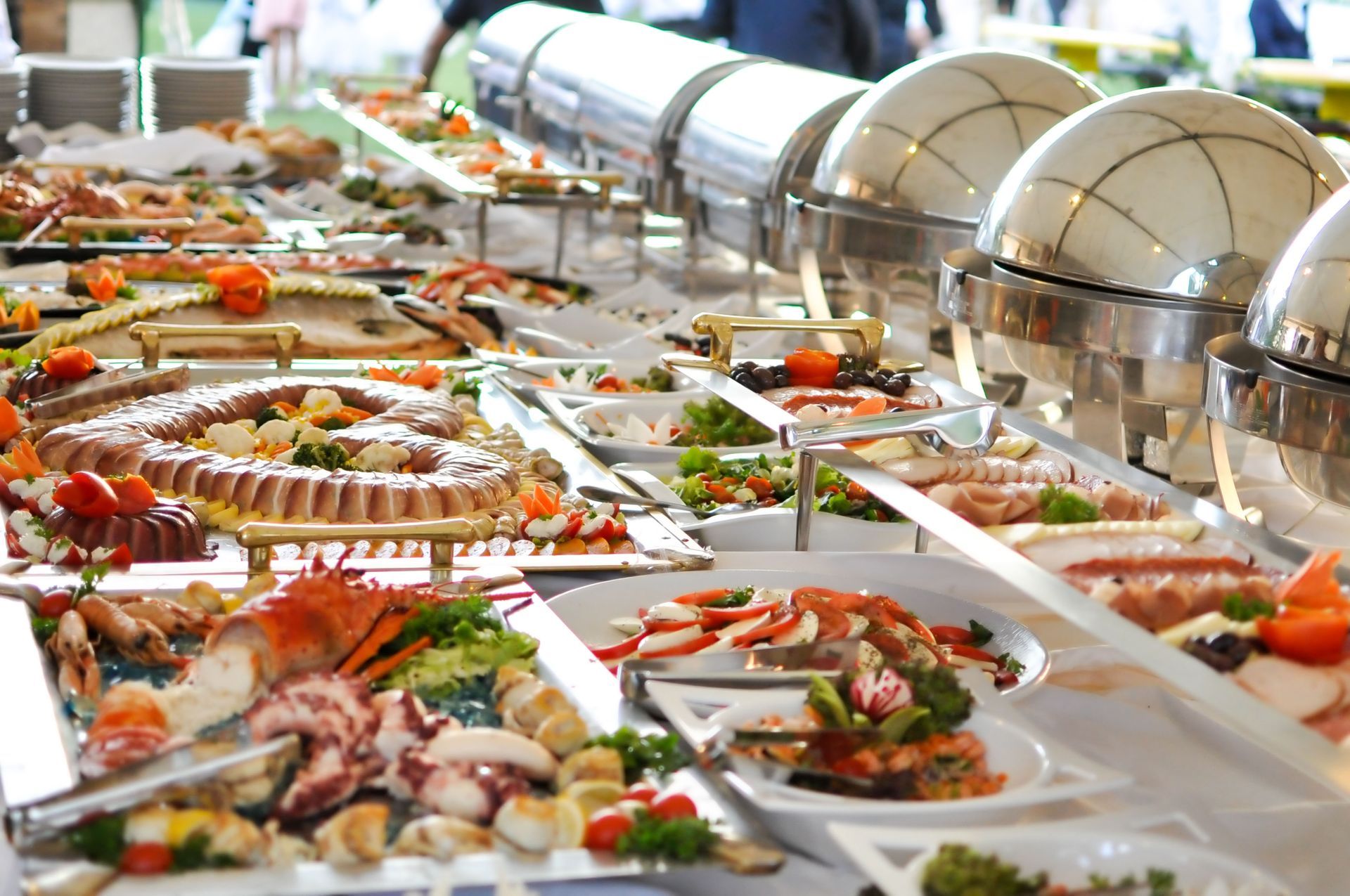
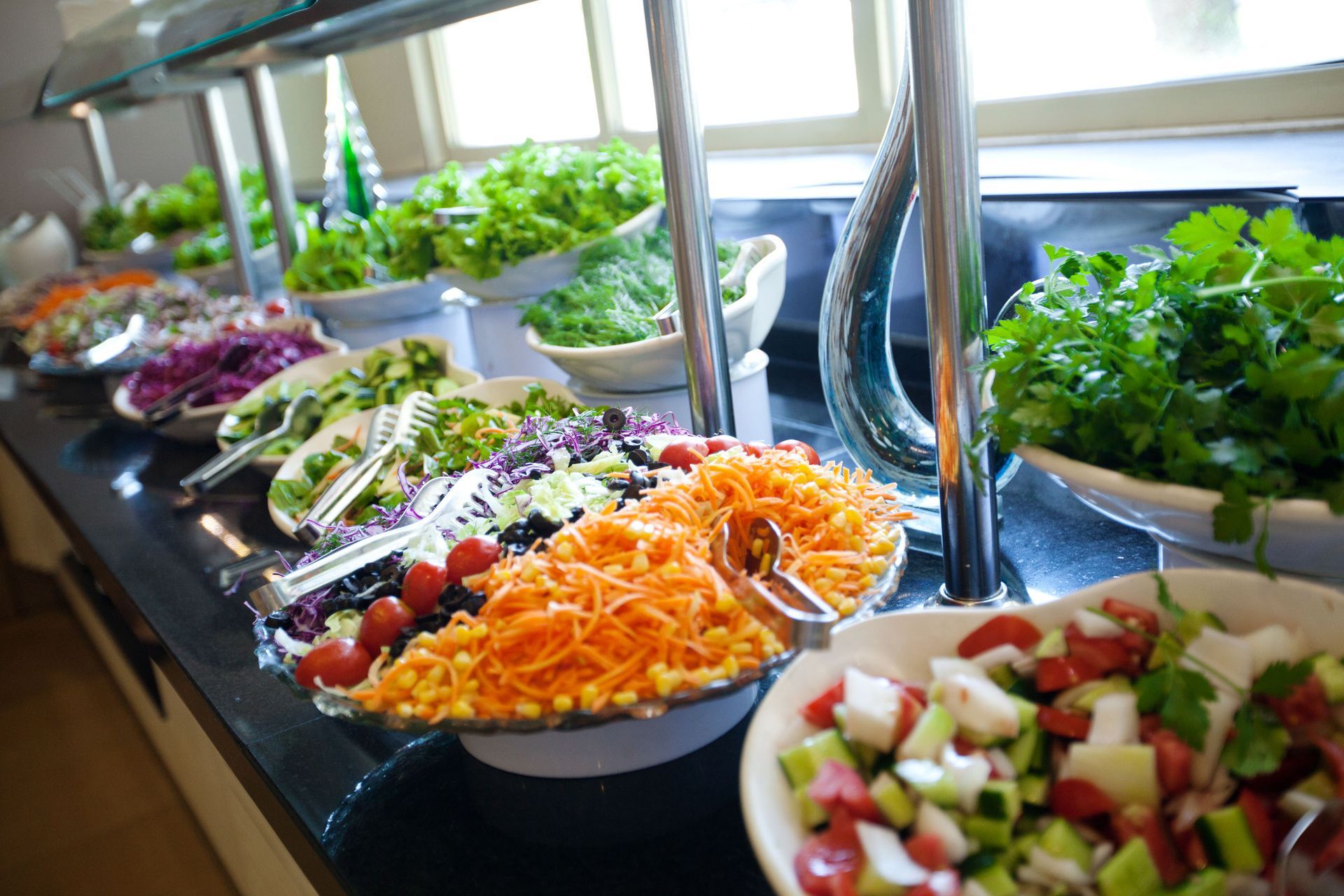
Ask what cuisines and menu styles are available. Some couples may prefer a traditional dinner, while others envision a relaxed buffet with a variety of dishes. Options such as Mediterranean dinners, taco bars, pasta bars, barbecue buffets, and Latin-inspired menus can provide different ways to shape the reception experience.
Couples should ask whether wedding catering menus can be customized with family recipes, favorite cuisines, or meaningful dishes. They should also clarify which items are included in packages, whether appetizers, sides, desserts, and beverages can be added, and if tastings are included or require additional fees.
How Are Dietary Restrictions and Guest Preferences Accommodated?
A wedding menu should consider the different needs and preferences of the people attending. Some guests may follow vegetarian or vegan diets, while others may need gluten-free or dairy-free options. Asking about accommodations early gives the catering team time to discuss suitable dishes and explain how requests are handled.
Couples should provide an estimate of how many guests may need specific accommodations. They can also ask whether dietary meals are prepared separately and how staff members identify those meals during service. These details are especially important when guests have food allergies or other serious dietary restrictions.
Clear communication about ingredients and special requests helps caterers plan for guests' needs. When discussing wedding catering, ask about children's meals and options for varied tastes. A menu combining familiar favorites with distinctive dishes can create a welcoming dining experience for guests with different preferences.
What Service Styles and Staffing Options Are Offered?
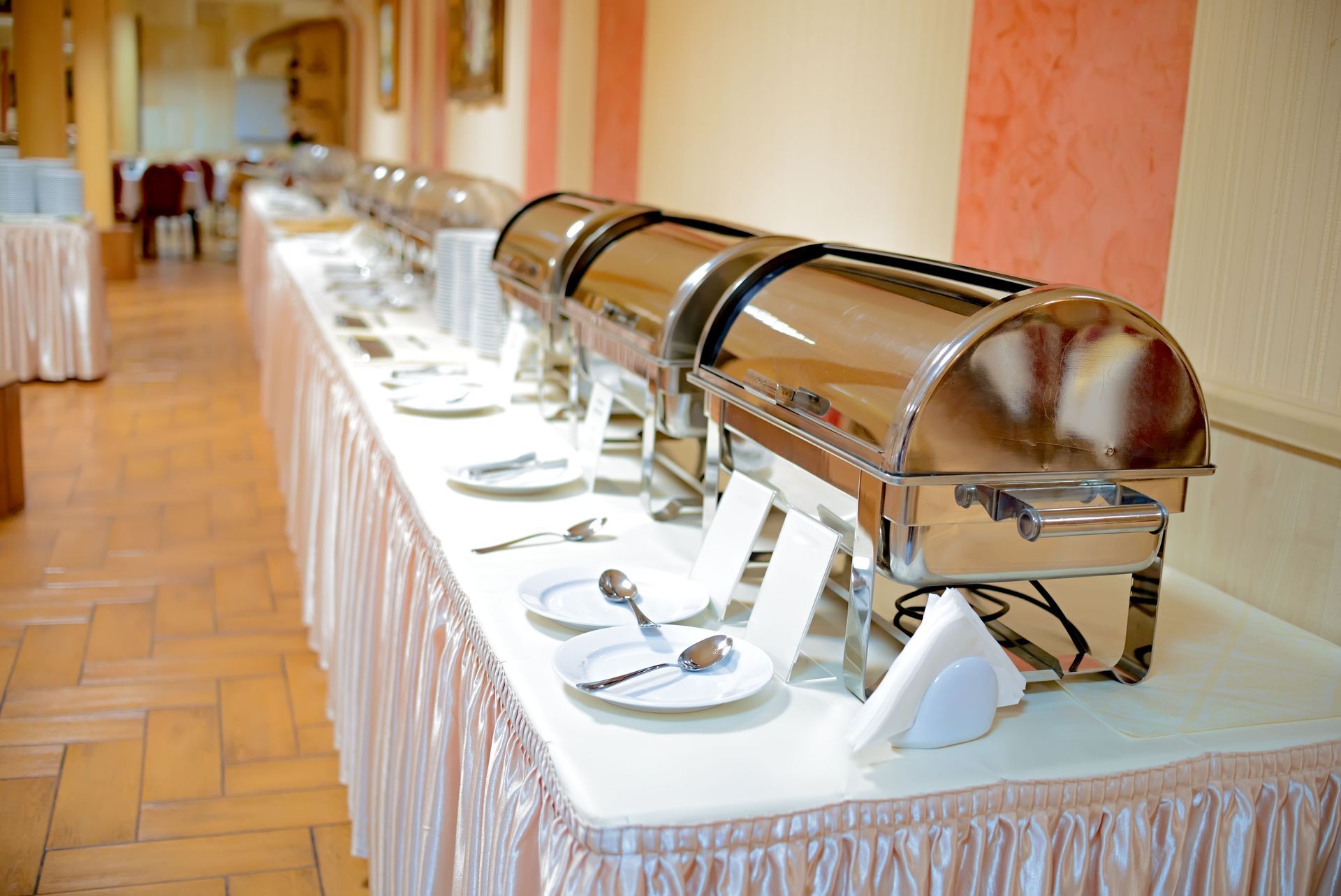
Food selection is only one part of the reception experience. The way a meal is served can influence the event's atmosphere, schedule, and overall flow. Couples should ask whether the caterer offers plated dinners, buffet service, or family-style dining and discuss which approach best suits their venue and guest count.
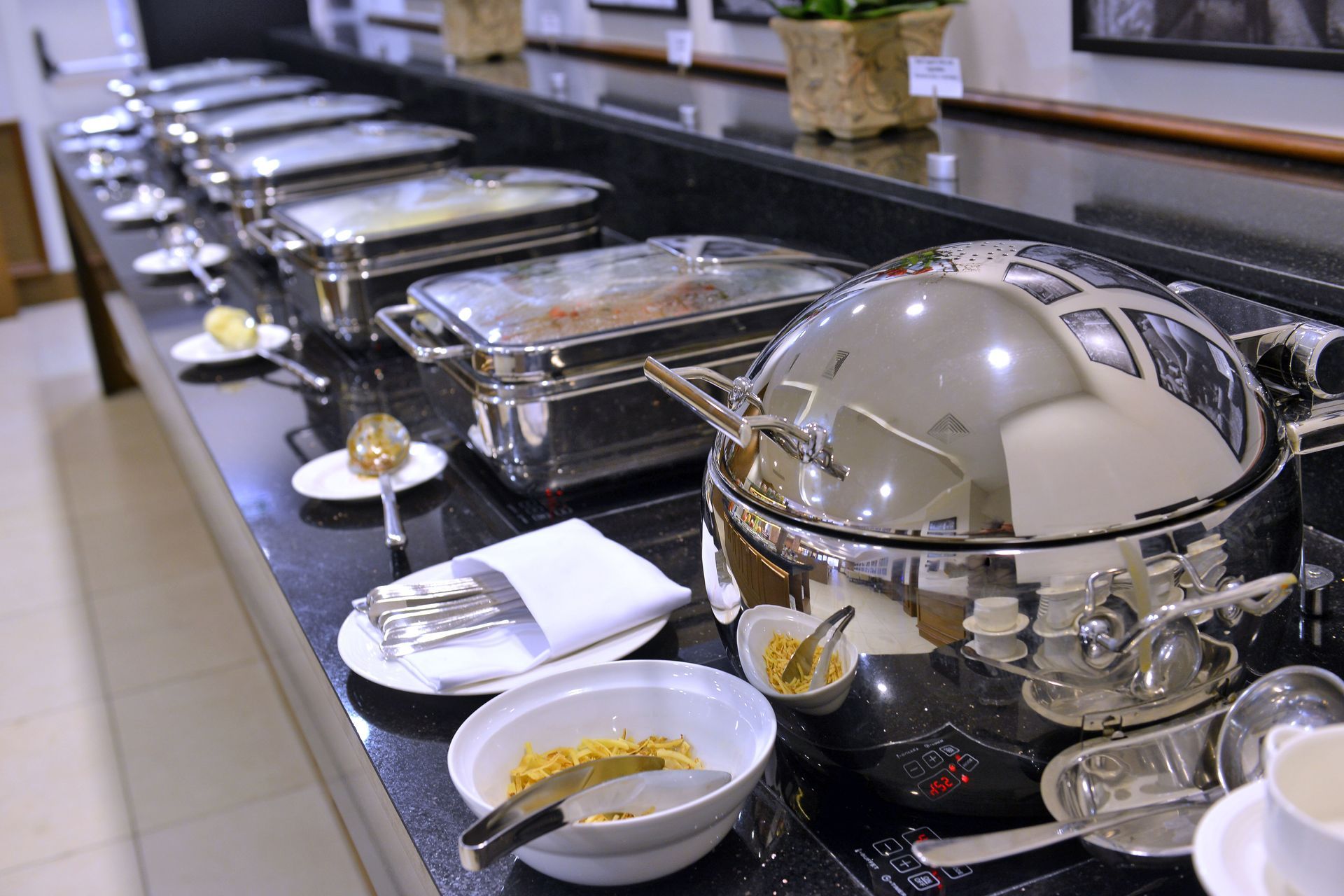
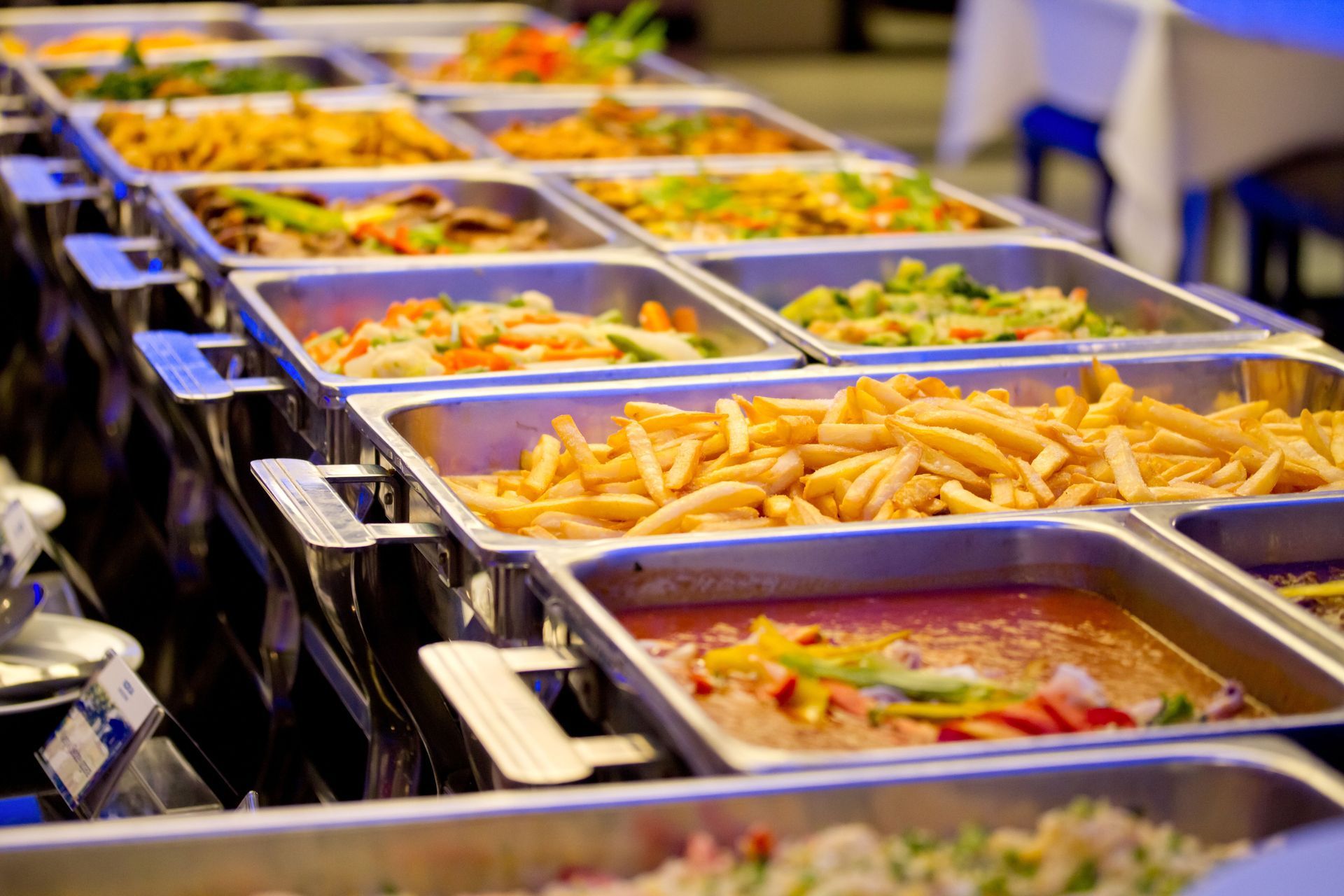
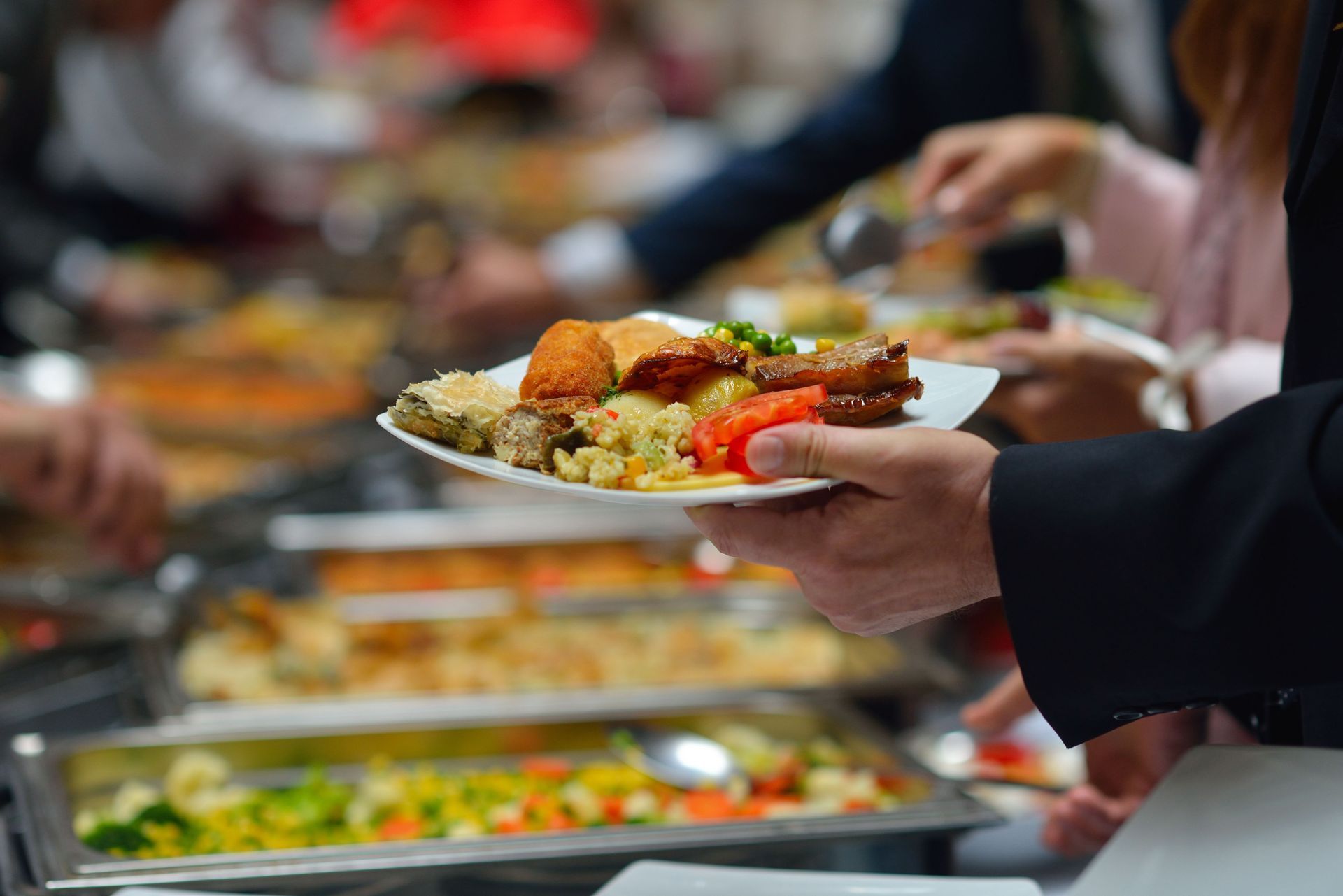
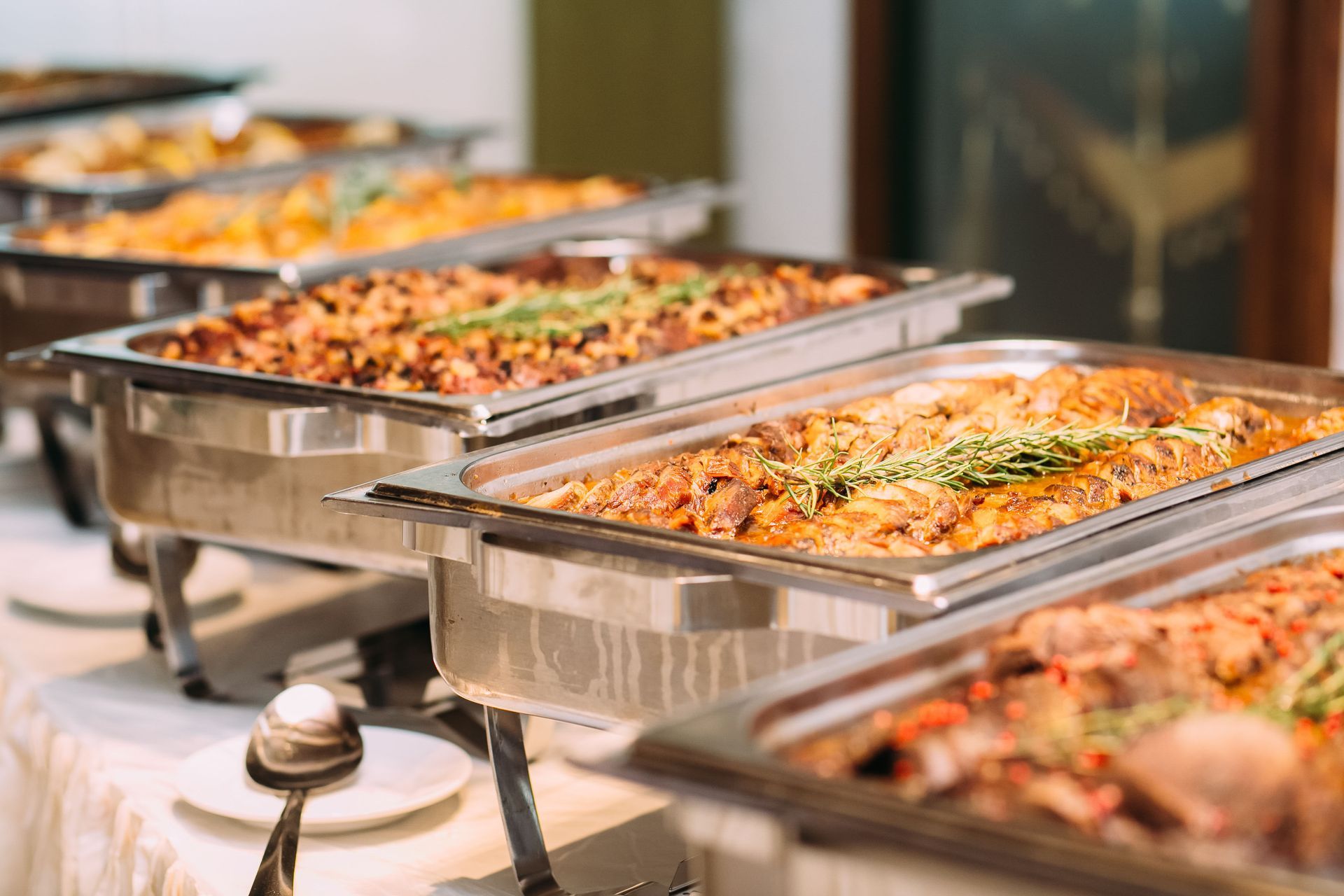
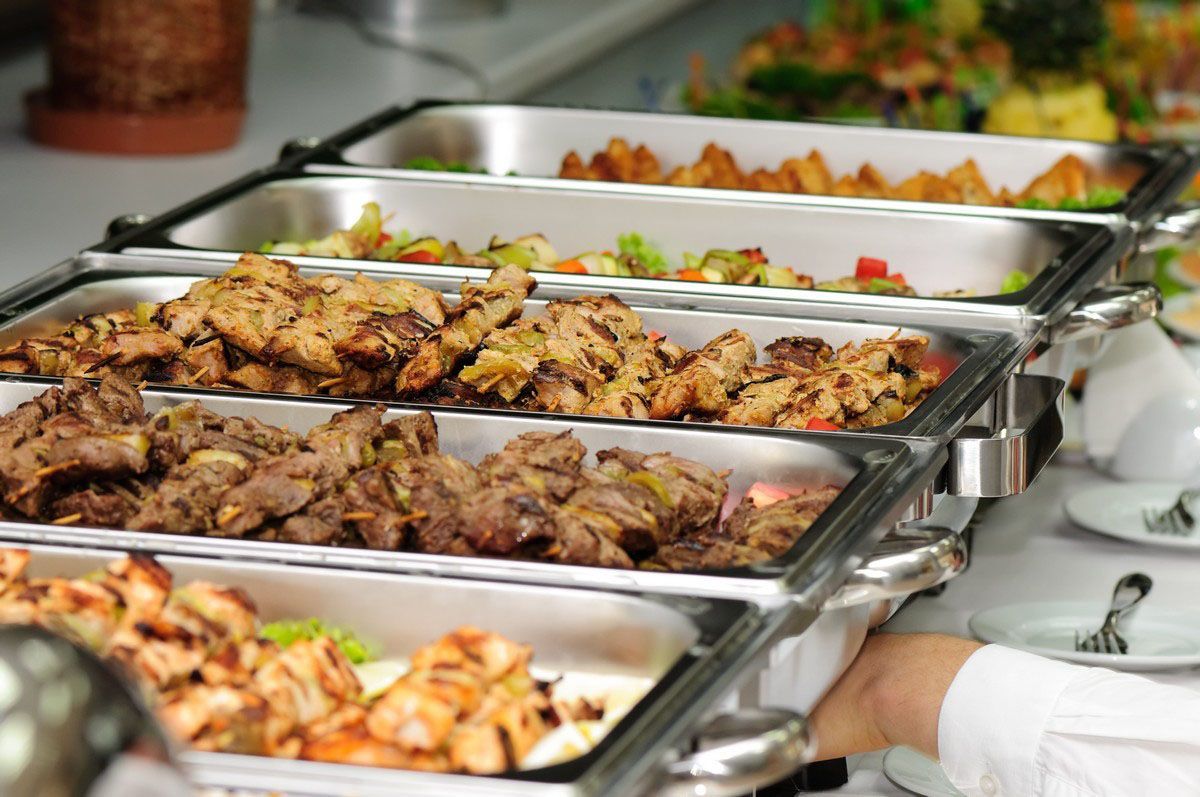
A plated dinner may create a more formal experience, with courses served directly to guests. Buffets allow attendees to select their preferred portions and can encourage conversation as guests move through the dining area. Family-style service offers another approach, with shared dishes placed on tables for guests to enjoy together.
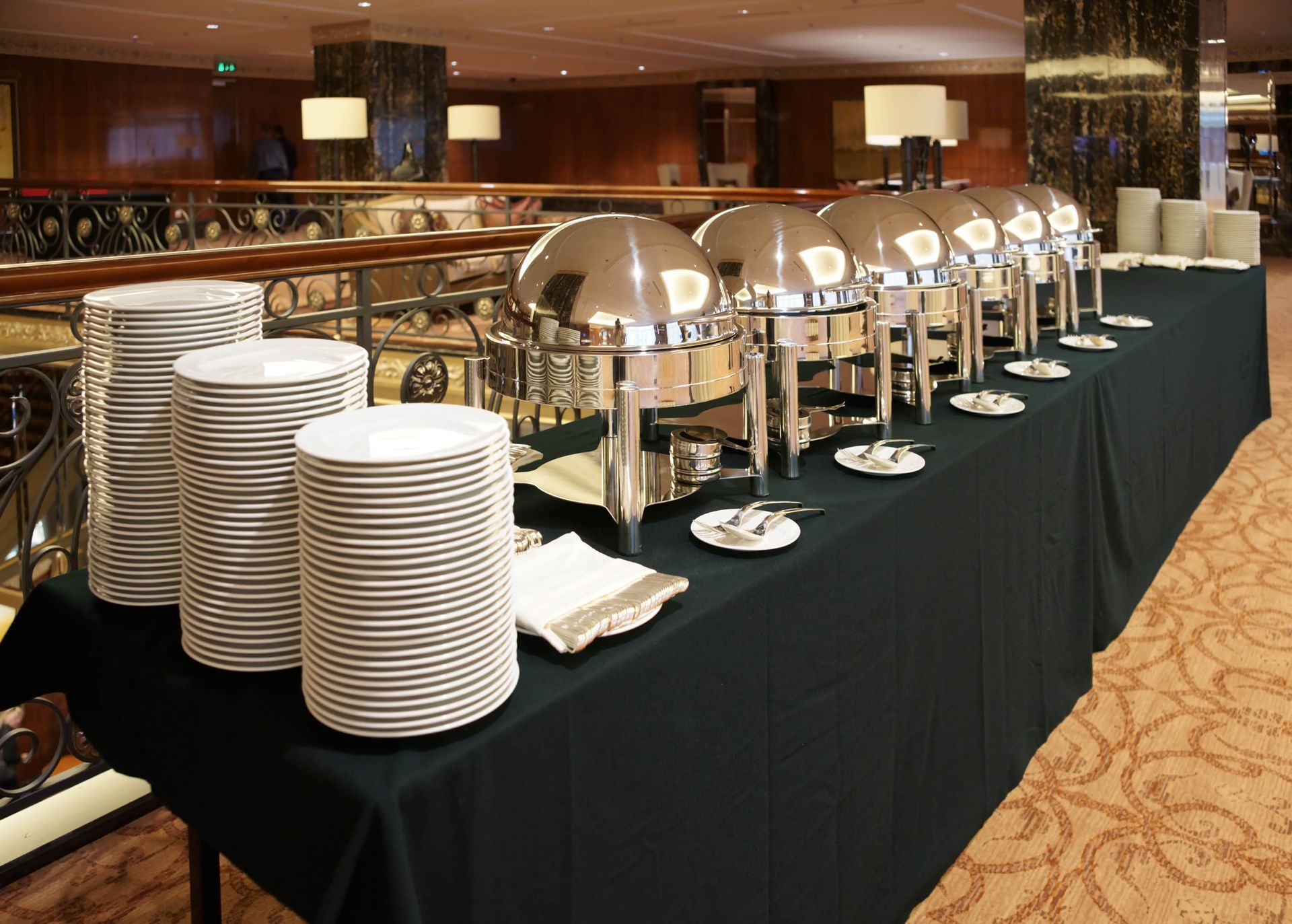
Couples should confirm whether servers, setup assistance, or bartenders are included in the package or billed separately. For wedding catering, ask how meal service aligns with speeches, dancing, and other reception activities. A clear timeline helps guests enjoy their meals without unnecessary interruptions.
What Costs and Services Are Included in the Catering Package?
Understanding the full cost of catering is essential when planning a wedding budget. Couples should request a detailed estimate that explains the pricing structure and identifies what is included. Per-person rates can be helpful when comparing providers, but the final amount may also depend on menu selections, staffing, guest count, delivery, and service requirements.
Ask whether the quoted price includes appetizers, entrees, sides, beverages, desserts, serving equipment, and setup. If some services require additional fees, request an explanation before signing an agreement. It is also important to understand whether taxes, gratuities, travel charges, or staffing expenses are included.
Wedding packages range from $25 to $70 per person, with a 20-guest minimum. Before booking wedding catering, review package options, deposits, payment schedules, cancellation terms, and guest count deadlines. Confirming menu selections and final headcounts in writing helps couples plan their budget and avoid unexpected costs.
How Does the Caterer Coordinate With the Venue and Event Schedule?
The reception location can affect how food is prepared, transported, presented, and served. Some venues have full commercial kitchens, while others offer limited facilities or no kitchen access. Couples should ask whether the caterer can work within the venue's setup and what arrangements are needed to serve the menu properly.
Outdoor weddings throughout Washington may require additional planning. Garden celebrations, waterfront receptions, and rustic venues can offer beautiful settings, but weather and access to utilities may affect food service. Ask how the team handles outdoor events, including equipment, food storage, setup, and changes caused by unfavorable weather.
Couples should confirm who will coordinate with the venue, planner, and vendors regarding arrival times, setup, serving areas, and cleanup. Discussing the timeline for each service period helps prevent confusion. For wedding catering at nontraditional venues, an experienced provider can clarify logistical needs and help ensure arrangements run smoothly.
What Details Should Be Confirmed Before Signing the Agreement?
Before making a commitment, couples should review the service agreement and confirm that the discussed arrangements are accurately documented. The agreement should identify the selected menu, estimated guest count, service style, pricing, payment schedule, and any additional services. It should also explain how changes are handled if attendance or event details shift.
Ask who will serve as the main point of contact throughout the planning process. Knowing whom to reach with questions can make communication easier, particularly as the wedding date gets closer. Couples should also confirm when final menu selections, dietary requests, and guest counts must be submitted.
It is worth asking what happens if an unexpected issue affects the event schedule or venue arrangements. While no provider can control every circumstance, understanding the communication process and available alternatives can help couples feel more prepared.
A final review gives both parties an opportunity to confirm expectations before the celebration. When the details are clear, couples can focus more of their attention on enjoying the occasion rather than wondering whether important arrangements have been overlooked.
Choosing a caterer is an important part of creating a reception that feels welcoming, organized, and personal. By asking about menus, tastings, dietary needs, staffing, pricing, and venue coordination, couples can make a decision that supports their priorities and their guests' experience.
With customizable menus, wedding tastings, and service options for celebrations throughout the Seattle area and beyond, It’s All Good Catering helps couples plan meals that suit a range of wedding styles and budgets. Contact the team to discuss your celebration, explore menu options, and begin planning your reception.

Share On: