
How to Plan the Menu for a Successful Business Event
Planning the right menu can make a business event more enjoyable and memorable. Whether you're organizing a meeting, conference, networking reception, or company celebration, the food should complement the occasion and meet attendees' needs. Successful corporate catering involves more than selecting dishes. It requires thoughtful budgeting, dietary accommodations, reliable service, and a menu that reflects the event's goals. Addressing these details early helps create a positive dining experience while keeping the event organized. A carefully planned menu can also encourage conversation, support networking, and leave guests with a favorable impression of the host organization.
Understand the Event's Purpose and Audience
Consider the event's purpose before selecting dishes. A formal executive meeting may call for an elegant plated lunch, while a networking reception might benefit from convenient appetizers. Product launches, conferences, and employee celebrations each have different expectations. Defining the event's objectives helps guide corporate catering decisions and ensures the menu supports the atmosphere.
Consider attendees' backgrounds and food preferences. Health-conscious professionals may appreciate fresh salads, lean proteins, and plant-based dishes, while a company celebration might call for familiar comfort foods. Offering variety accommodates different tastes without making the menu unnecessarily complicated. Understanding your audience also helps determine appropriate portions and serving styles.
The event schedule also influences food choices. Morning meetings often work well with pastries, fruit, and coffee, while afternoon conferences may require substantial lunches and refreshments. Evening gatherings can accommodate more elaborate meals. Schedule service around presentations and networking sessions so attendees can eat without missing important activities. For longer events, plan refreshment breaks to help guests stay comfortable and engaged throughout the day.
Establish a Realistic Catering Budget
Set a clear food and beverage budget before finalizing the menu. Estimate attendance, determine the number of meals required, and request itemized quotes covering food, staffing, delivery, and applicable fees. Comparing these details helps prevent unexpected expenses and makes it easier to evaluate providers.
Allocate spending according to the event's priorities. A full-day conference may require more investment in lunch and refreshments, while a short networking event might focus on appetizers. When comparing corporate catering packages, consider what each includes rather than evaluating prices alone. Portion sizes, menu variety, and service can significantly affect value.
Cost-conscious planning should not compromise food quality. According to Toast, 58% of respondents indicated that food quality was the most critical factor in choosing a catering service. Seasonal ingredients, streamlined menus, and dishes that share ingredients can help control expenses while maintaining quality. Discussing flexible menu options with caterers may also reveal ways to save without sacrificing the guest experience.
Accommodate Dietary Needs and Preferences
Gather dietary information through registration forms or attendee surveys. Ask guests to identify allergies, restrictions, and food preferences well before the event. Advance planning gives the catering team time to prepare appropriate alternatives and reduces last-minute complications. Confirm these details before approving the final menu so the caterer can plan quantities and preparation requirements accurately.
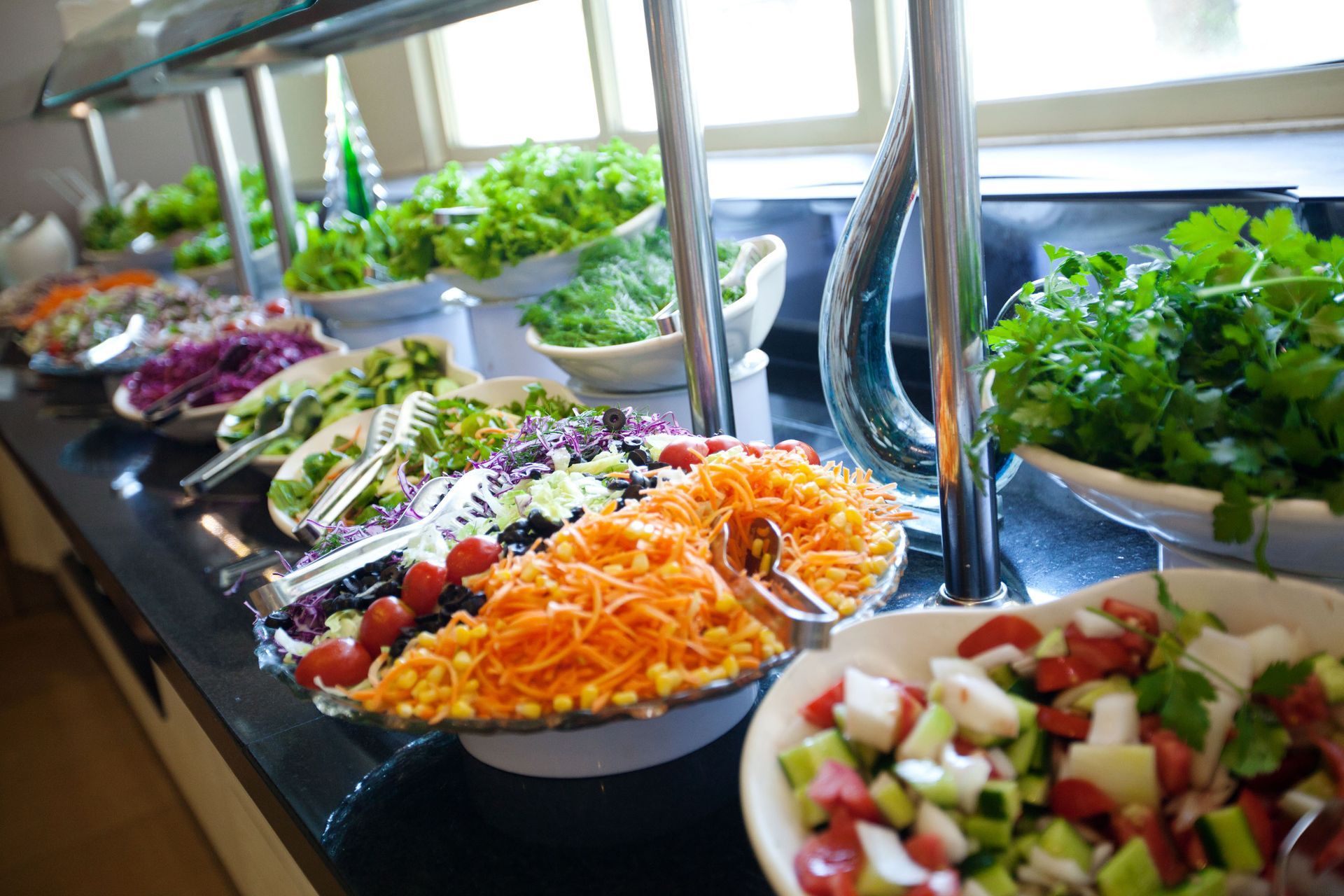
Include satisfying vegetarian and vegan dishes, such as roasted vegetable grain bowls, plant-based wraps, and hearty salads. Offering these options alongside other entrees creates a more inclusive menu. A balanced selection of proteins, vegetables, and grains also gives guests flexibility when choosing meals.
Food allergies require careful communication. Work with the caterer to identify common allergens, including nuts, dairy, eggs, wheat, and shellfish. Clearly label dishes and confirm ingredient information. Discuss preparation practices that help reduce cross-contact for guests with serious allergies, allowing attendees to make informed choices.
Select a Reliable Catering Service
Research caterers experienced in serving business events. Compare menus, customer reviews, pricing, and service options. Ask whether each provider can accommodate your guest count, venue requirements, and dietary needs while maintaining consistent food quality. Communication is equally important, particularly when event schedules or attendance numbers change.
Whenever possible, arrange a tasting or request sample menus. Evaluating flavor, freshness, portion sizes, and presentation helps you determine whether the food suits the occasion. It also provides an opportunity to request adjustments before confirming the final menu.
Check reviews for feedback about reliability, communication, and problem-solving. Successful corporate catering depends on dependable delivery and organized service as much as appealing food. Review the contract carefully, including cancellation terms, final guest counts, payment deadlines, setup responsibilities, and additional fees. Clear expectations help prevent misunderstandings.
Design a Menu That Fits the Occasion
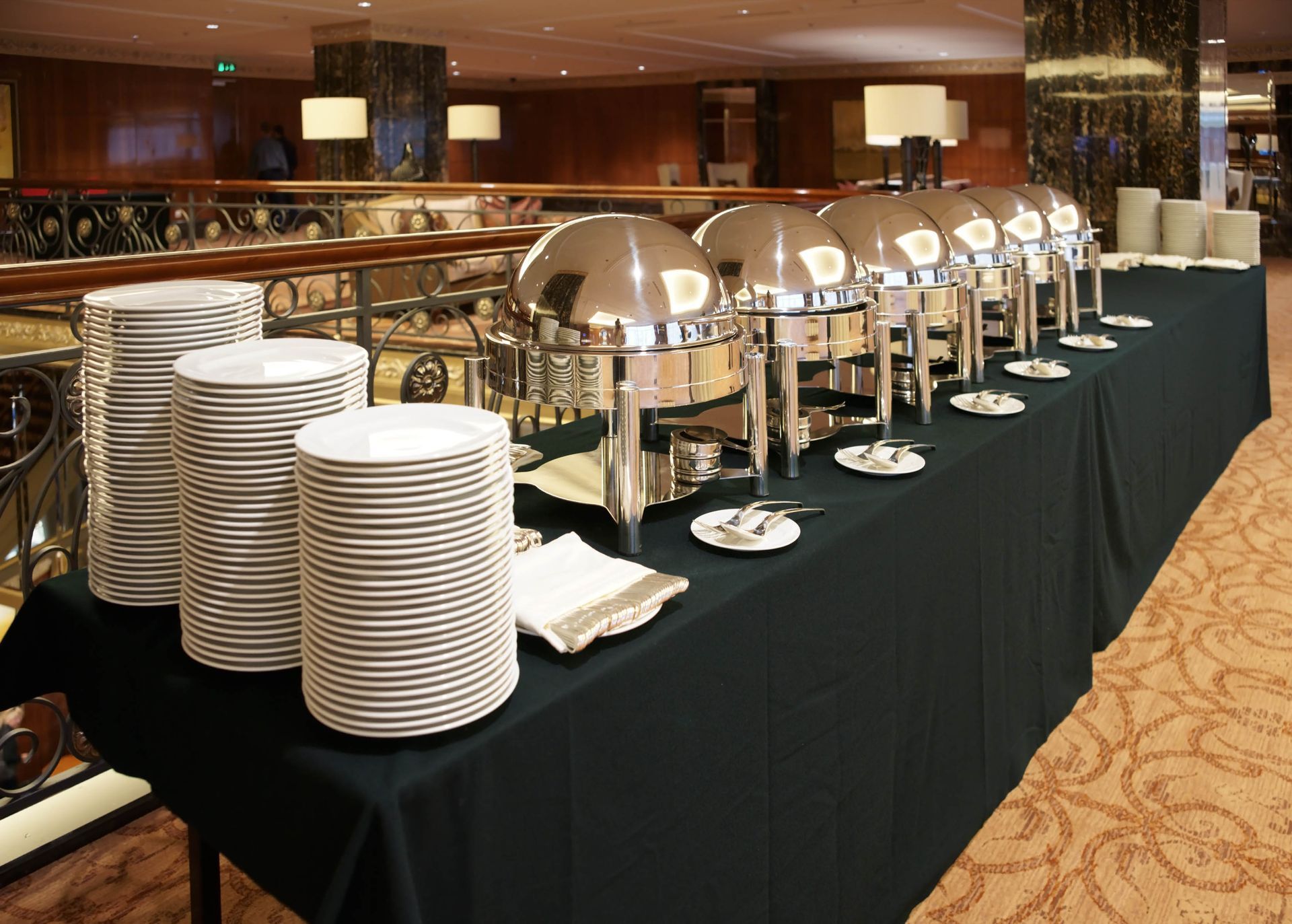
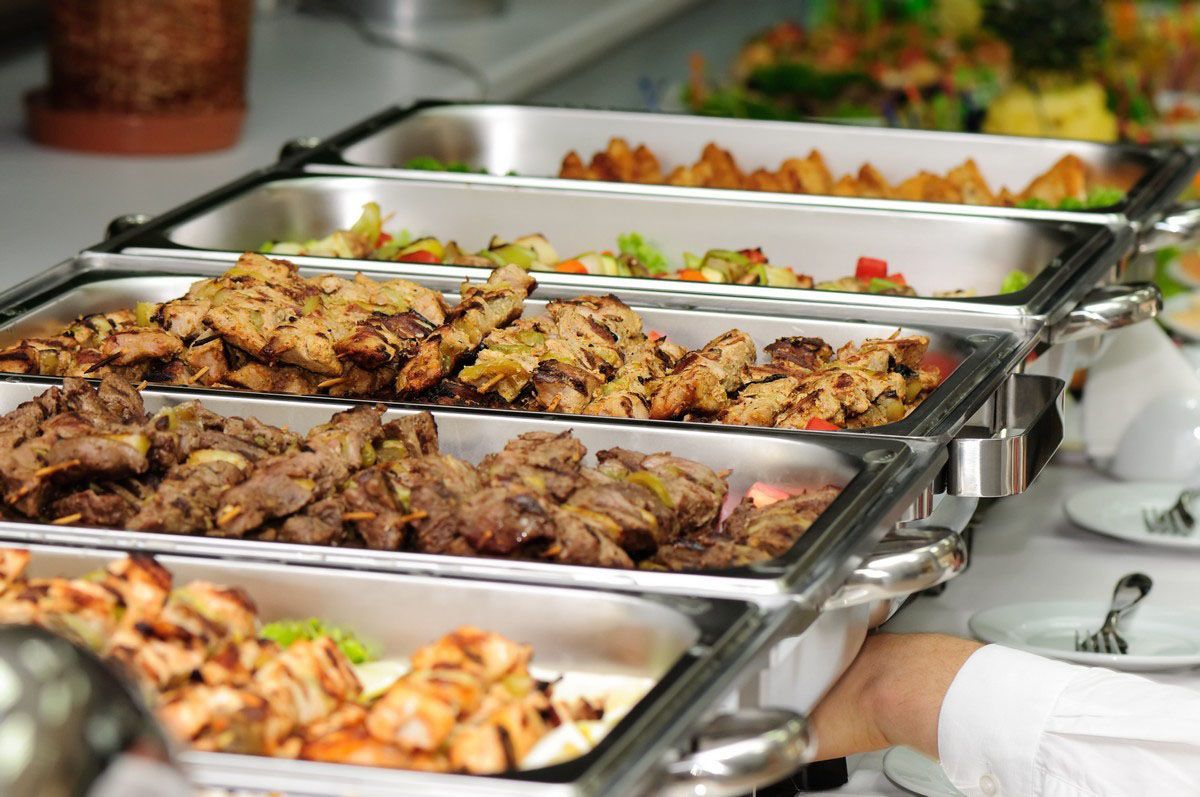
Choose a service style that matches the event's format. Buffets provide variety for larger groups, while plated meals suit formal dinners. Boxed lunches simplify service during working meetings, and appetizer stations encourage conversation at networking receptions. Consider convenience, presentation, and available dining time when choosing a format.
Build a menu with varied flavors, textures, and ingredients. Pair fresh vegetables with satisfying proteins, offer lighter options alongside richer dishes, and select complementary sides. Avoid repeating similar ingredients throughout the menu. Variety gives attendees meaningful choices and makes the dining experience more engaging.
Combine familiar favorites with distinctive selections to create a memorable menu. Seasonal dishes and regional specialties can add personality, while classic entrees appeal to traditional tastes. For corporate catering, consider the company's brand, event theme, and audience when choosing signature dishes. The menu should feel appropriate without becoming unnecessarily elaborate. Ask whether the caterer can accommodate special presentation requests that complement the event's overall style.
Remember beverages, desserts, and snacks. Coffee, tea, and water may be essential for longer meetings, while fruit or small snacks can help attendees stay comfortable between sessions. Estimate quantities based on attendance and event length to avoid unnecessary waste or shortages. Providing a few beverage choices can also help guests feel considered and welcome.
Coordinate Event-Day Service and Logistics
Create a service timeline covering delivery, setup, meal service, and cleanup. Share it with the caterer, venue coordinator, and event staff. Confirm arrival times and allow enough time for setup before guests begin eating. Coordination helps prevent delays that could interrupt scheduled activities.
Review the venue's facilities and restrictions in advance. Confirm access to kitchen space, electrical outlets, refrigeration, serving tables, and waste disposal as needed. Discuss delivery access and setup limitations, especially when hosting an event in an office or conference room.
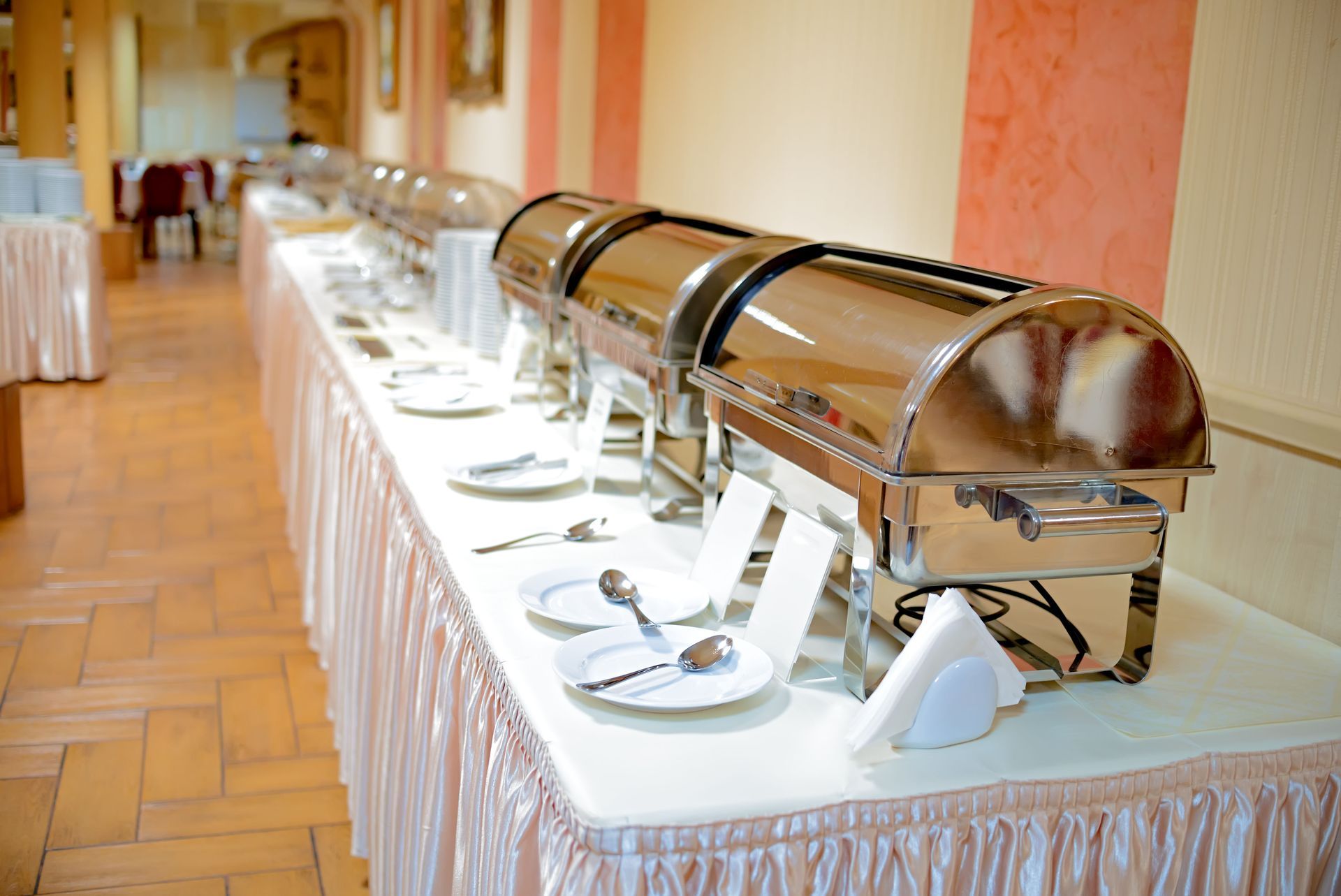
Arrange serving stations to minimize congestion. Position buffet and beverage areas where guests can reach them easily, and maintain clear pathways for accessibility. Larger gatherings may benefit from multiple serving points or staff-assisted service. Ensure food remains at appropriate temperatures and establish a replenishment plan.
Prepare for changes by confirming the final guest count and identifying a contact who can communicate with the catering team. Attendance changes and schedule adjustments can happen despite careful preparation. After the event, gather feedback about food quality, portions, and service to improve future planning. Keeping notes about successful dishes and areas for improvement can also make organizing the next event more efficient.
Create a Memorable Business Event
A successful menu reflects the event's purpose, accommodates attendees, and fits the budget. By choosing suitable dishes, selecting a dependable provider, and coordinating service details, organizers can create an experience that supports networking and collaboration. Thoughtful corporate catering helps guests focus on the event while enjoying quality food.
For help planning a menu that balances quality, variety, and dependable service, contact It's All Good Catering. An experienced catering team can simplify the planning process and help make your next business event enjoyable and memorable.







Share On: